How To Start Playing Shows

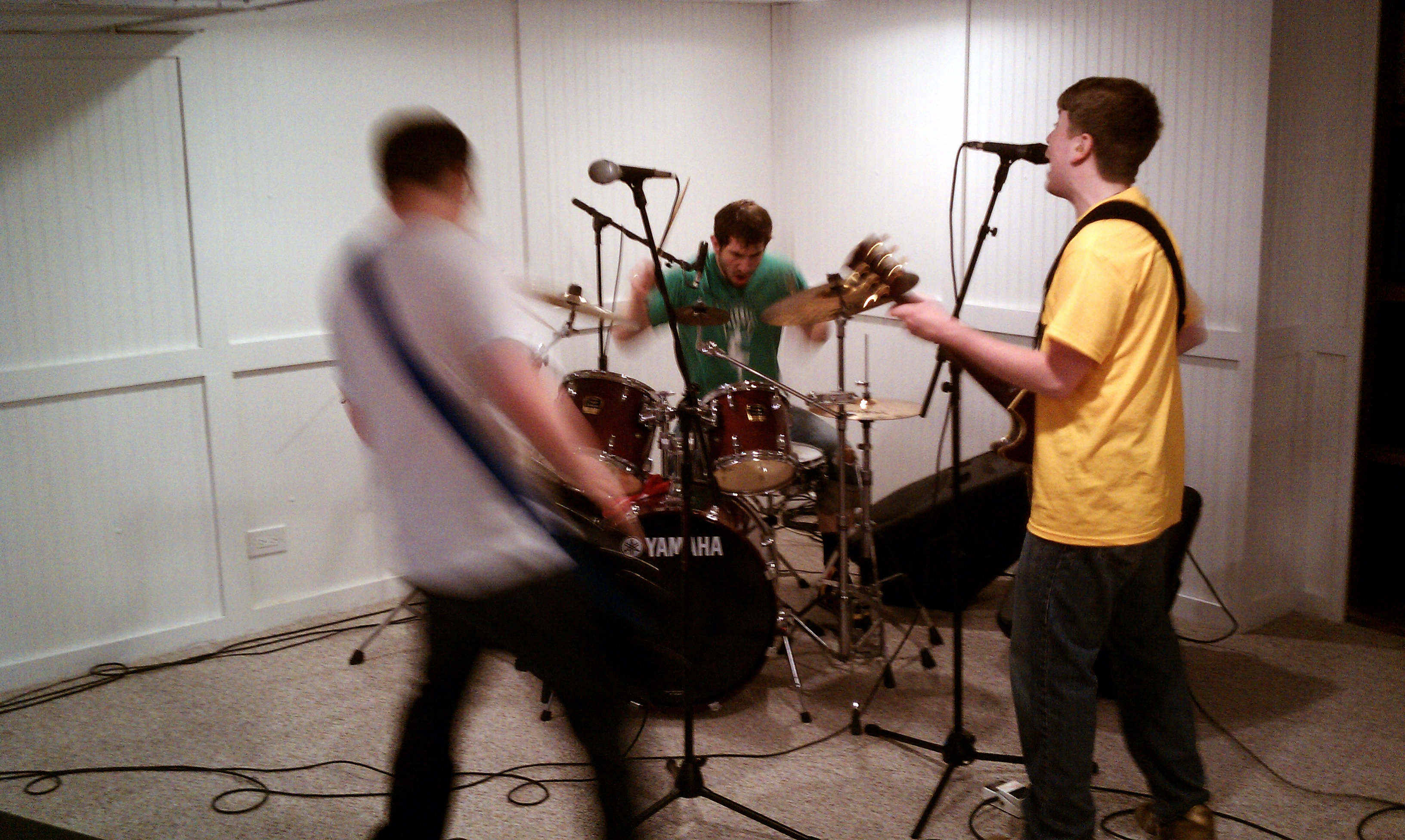 So the basement jam sessions are going well and you are trying to step up to the next level, the band is looking for a place to have their debut show. Playing a show may be easy for some, but a true challenge that all aspiring musicians must achieve is to have a show that everyone remembers.
Where do you even get the gig? You don't really know anyone in the network and you don't have the money to rent out a space. Well, there are a couple of ways to go about this:
House Show
House Show

Not the most doable option for some due to their living situations but if it can be done than make it happen! Nothing gets people out to a local music show faster than a house show, they are always a good time and easier to get people to come to. Have multiple bands play to bring a bigger crowd and spread the scene, you may invite a band who throws a house show and gives you a spot. Also have other incentives for people to show up like a cookout or a themed party (Halloween band/costume parties are great).
While this option is nice because of its freedoms it also has lots of limitations. While you might get to make all the rules, you have to also enforce them and do all the setting up. So along with having the equipment you must also have people able and ready to manage the sound through out the show. These shows can also get a little rowdy depending on what kind of music you play you may want a couple of tough guy friends to play security and watch out for people who may ruin the night.
Open Mic Nights
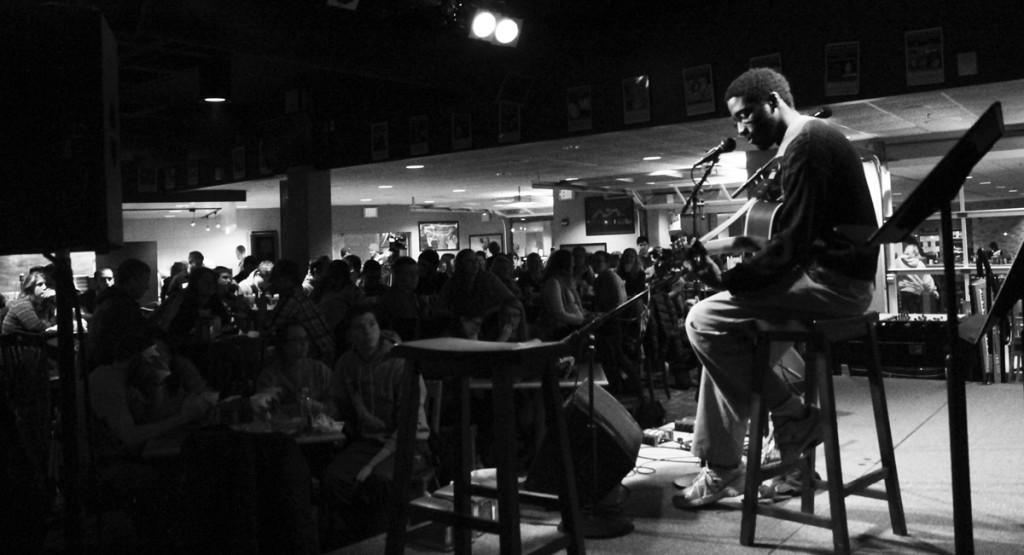
Perfect for acoustic acts and those who can perform in mild environments, open mics can be a great way to network and promote your new music. Some places even have full band open mic where you can play in more of a concert environment. Look out for open mics around your area and branch out as far as you want to so you can get your music out to as many people as possible. A nice part of this is that a lot of the crowd will be fellow musicians who already are the people that you want to hear your music. Get your music and promotion to places where other musicians/bands will be because not only will they probably be more inclined to check out a local band but it helps with the networking and can create a wider ground-up scene as opposed to each band having their own schedule.

Venues
Playing at a venue has a stronger and more influencing effect than either open mics or house shows. Its a taste of the rock star lifestyle that everyone wants and everything sounds nice and professional (hopefully). Just make sure you play somewhere that people will be and/or your fans will come to, no one wants to play in front of an empty crowd section. Don't shoot too far up but don't be intimidated because there are still plenty of local music showcases at venues all around the country.
Gorilla Music is an organization that sets up local music showcases and battle of the bands, while they may not have the best reputation among musicians they can provide a useful tool for bands trying to get into bigger venues. If its not about the money then look into businesses like Gorilla Music because while they may make all the profit they still can get you into nicer venues than you could get into alone. However, that doesn't mean you can't email some venues on your own, its just always nice to know someone.
Festivals
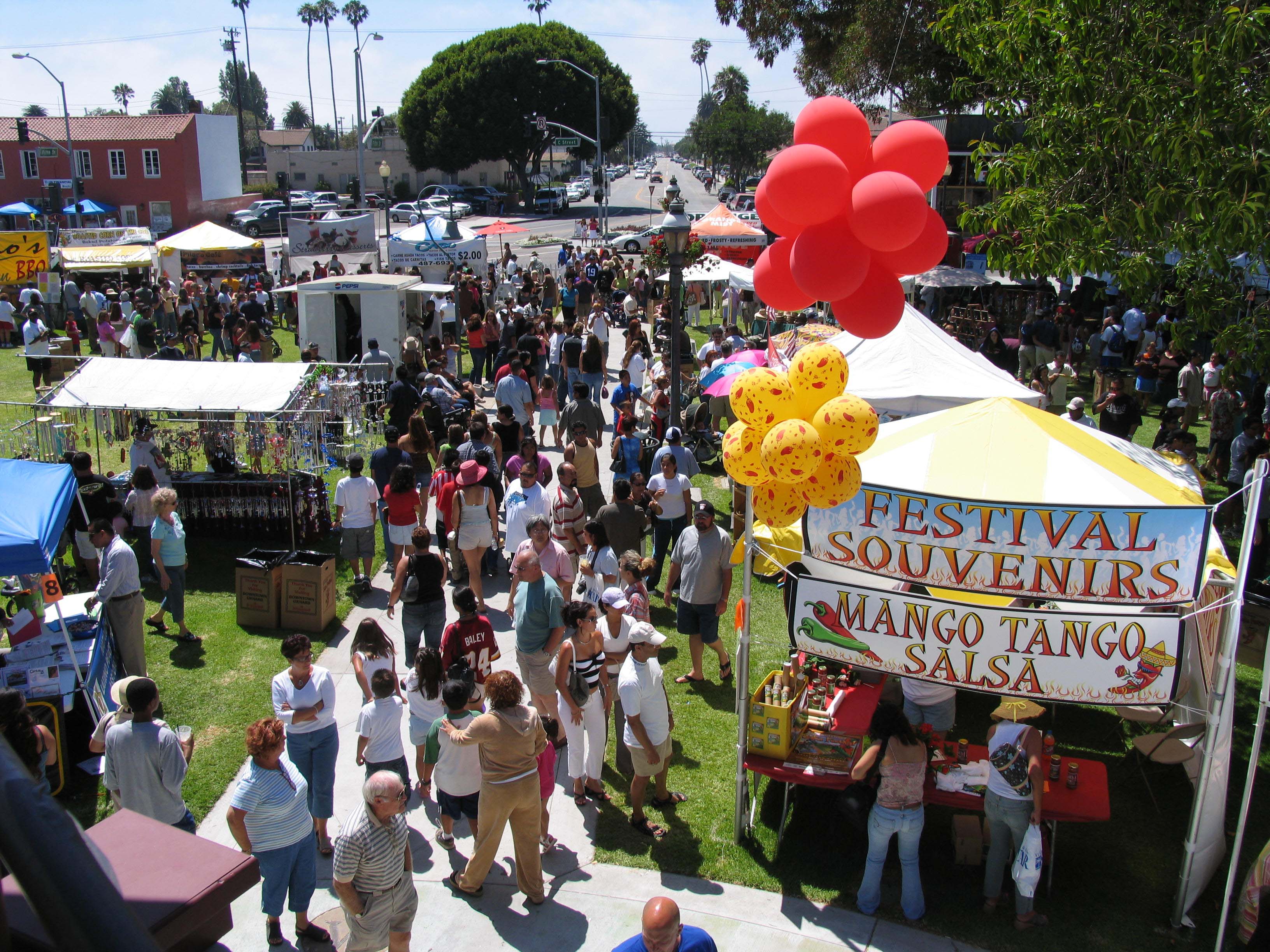
Music festivals or any social gathering is a great opportunity to perform, go to where the people are instead of trying to get them to come to you. People may just walk by you but some of them may stick around and want to know more about your music. Try to get gigs that synchronize with your style so that you don't end up playing any awkward shows that don't make any sense (Ex. Death Metal at a Wine Festival). Look up local Festivals or even ones that aren't local to reach completely new audiences. For these it may be better to play covers or instrumental music that is easy to groove to, draw a crowd in with catchy recognizable tunes and then if you have some people hooked play an original and see how it goes but for these kinds of gigs its best to swallow your ego and play what you know people will enjoy rather than what you want to rock out to.
Practice Practice Practice

Have a well rehearsed set and an additional song in case an opportunity presents itself. This may seem like common sense but you can never be too good at something so make sure that when the moment comes where the spotlight is on you that you can perform the best you can. Jamming around is fun but people can tell the difference between a section that was just improvised and one that has practiced over and over with the band to roar even louder. To all the music nerds with elaborate setups and pedals, make sure all the settings are in place for each song and there is never an awkward moment where your pedals are not right. Using effects can change a show into a new beast but if it isn't done well the extra effort may only hurt you.
BE PREPARED FOR THE WORST

Anything can happen so have an extra anything you can bring, drummers get ready to break sticks, guitarists have plenty of picks and a spare guitar that's already in tune in case a string breaks. Have fresh but broken in strings to cut back on tuning and make sure that you are ready to load in quickly and not eat into your set time. Sometimes a quick setup can score you an extra song so always hurry.

Also be very attentive while on stage and try not to get carried away because sometimes no matter how well you play, a band mate can still make a mistake that throws off the show. Be less concerned with how you want it to sound and more with how it is going currently because if you can tell that somethings isn't right it may be best to just roll with it until everyone is on the same page. For example if a guitar solo goes on too long then just keep it up and try to make it come back in smooth instead of just switching and hoping that the soloist catches on.

Just try to stay focused and remember that its not over until the last note is resolved and the set is wrapped up. A band's last song can leave a sour taste and not have the show be remembered well even if everything else was perfect. While some may have empathy for a bad show, most people will just blame the musicians and go on about their day, and you don't want that reputation or their indifference.
Finally, just go out and play as much as you can for practice and than as promotion. Be yourself, be unique, be loud and interact with the crowd. Sell the audience their happiness not yours, and make the set so wild that even the staff is grooving to you.